
Hardwood flooring installation in Service tab for homes needing durable surfaces that withstand decades of foot traffic
FloorGem Services, Inc. installs hardwood flooring in Service tab using nail down and glue down methods based on subfloor conditions and wood species. Nail down installation secures solid hardwood directly to wood subfloors with cleats or staples, while glue down methods bond engineered or solid hardwood to concrete or wooden substrates using moisture-resistant adhesives. The installation method determines how the floor responds to seasonal humidity changes and structural movement over time.
Nail down installation works for solid hardwood three-quarters of an inch thick, driven at forty-five-degree angles through the tongue of each plank into the subfloor joists. Glue down installation spreads troweled adhesive across the subfloor, pressing each plank firmly into the bed before the adhesive cures. This method reduces hollow sounds underfoot and works on substrates where nailing would compromise structural integrity or where floor height restrictions prevent thicker materials.
Request a subfloor evaluation to determine which installation method suits your existing foundation and wood species selection.
What Proper Installation Requires
Hardwood installation begins with subfloor inspection for moisture content, levelness within three-sixteenths of an inch over ten feet, and structural soundness. The wood planks acclimate in the installation space for seven to fourteen days, allowing moisture content to equalize with ambient humidity levels. This acclimation prevents gaps from opening during dry months or boards buckling when humidity rises, since wood expands and contracts perpendicular to the grain direction throughout its lifespan.
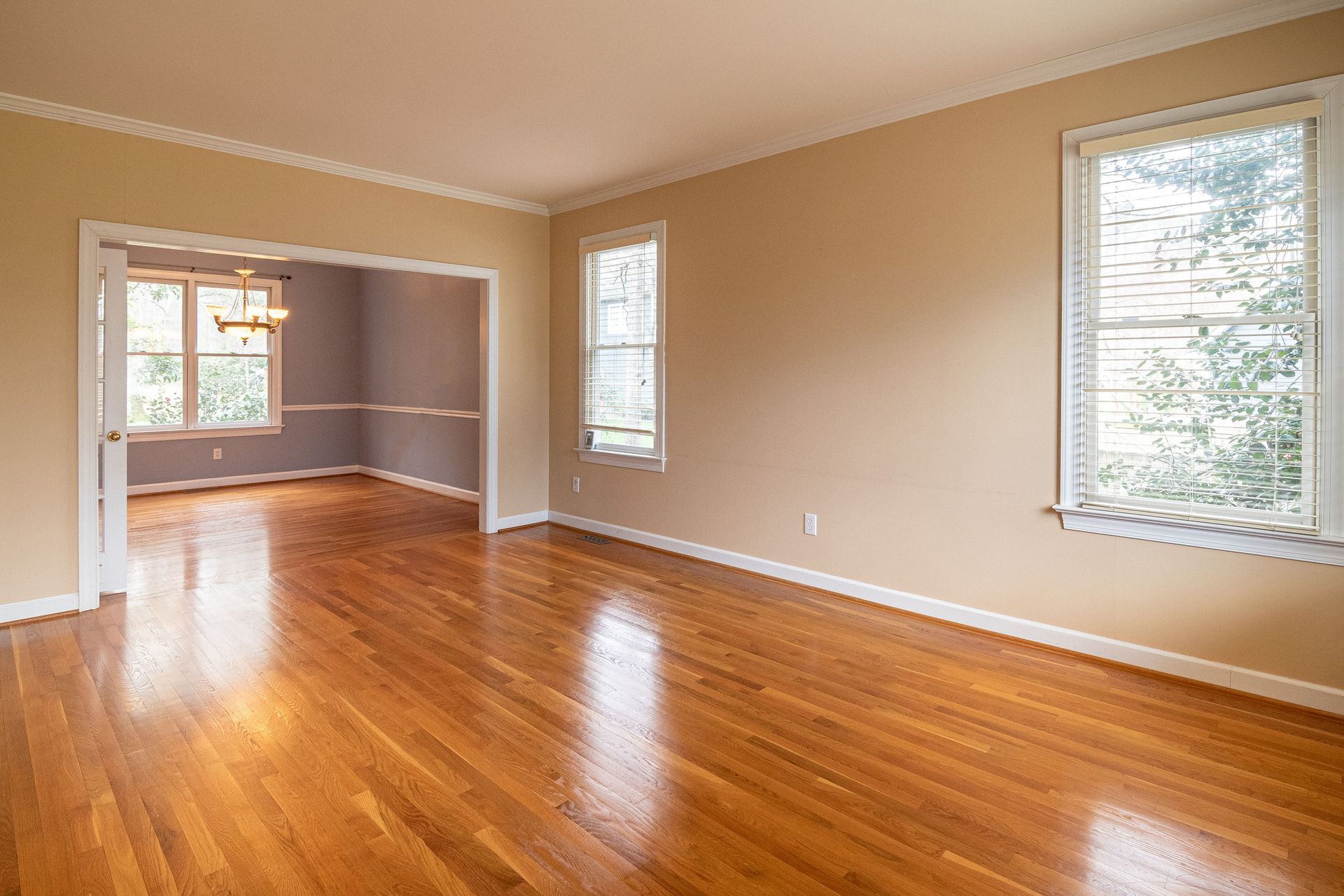
After installation completes, you notice uniform plank alignment with tight seams and consistent reveal between boards. Nail down floors produce a slight hollow sound underfoot compared to glue down installations, which feel more solid due to full-surface adhesive contact. The floor requires sanding and finishing if you selected unfinished hardwood, or it's ready for furniture placement if you chose prefinished planks with factory-applied urethane coatings.
Installation includes vapor barriers on concrete substrates, expansion gaps at walls and vertical surfaces, and transition strips where hardwood meets other flooring types. The method does not include subfloor repairs, moisture mitigation systems, or furniture moving, which property owners arrange separately before installation begins.
What Property Owners Usually Ask
Installation decisions depend on subfloor type, wood species, and long-term performance expectations in your specific environment.
- What determines whether nail down or glue down installation works better? Nail down installation requires a wood subfloor at least three-quarters of an inch thick and works with solid hardwood planks thick enough to accept fasteners without splitting. Glue down installation works on any clean, level substrate including concrete slabs and provides stability for engineered hardwood with thinner wear layers that cannot accommodate nails.
- How does humidity in Service tab affect hardwood performance after installation? Hardwood expands during humid months and contracts when indoor heating lowers moisture levels, causing seasonal gaps between planks in nail down floors. Glue down installations resist this movement slightly better due to adhesive restraint, but all hardwood floors require relative humidity maintained between thirty and fifty percent to minimize dimensional changes throughout the year.
- What thickness of hardwood allows for future refinishing? Solid hardwood three-quarters of an inch thick with a four-millimeter wear layer supports four to six sandings over its lifespan. Engineered hardwood with wear layers thinner than three millimeters allows one or two refinishing cycles before exposing the plywood core beneath the veneer.
- Why does glue down installation cost more than nail down? Glue down installation requires trowel-applied adhesive across the entire subfloor surface, moisture barrier installation on concrete, and longer working time as adhesive sets. Nail down installation moves faster with pneumatic nailers driving fasteners every eight to ten inches along each plank, reducing labor hours and material costs.
- When should I avoid installing hardwood in specific rooms? Hardwood installation is not recommended in full bathrooms, laundry rooms, or areas with floor drains where standing water occurs regularly. Wood absorbs moisture through end grain and plank faces, causing permanent cupping, crowning, or black staining from mold growth in consistently wet environments.
FloorGem Services, Inc. provides detailed installation proposals after measuring your space and evaluating subfloor conditions. Schedule an on-site assessment to review wood species options and determine the installation method that matches your subfloor and performance requirements.